

“Must be the Halloween candy!”
We asked PDG Pediatric Dentistry & Orthodontics how often they hear this statement! Their answer A LOT! Especially during those check-ups in early to mid-November. It’s easy to blame Halloween for tooth decay, but the truth is, Halloween candy plays a relatively small role when it comes to keeping our children cavity-free. Here's what they had to say to parents worried about Halloween candy & tooth decay...
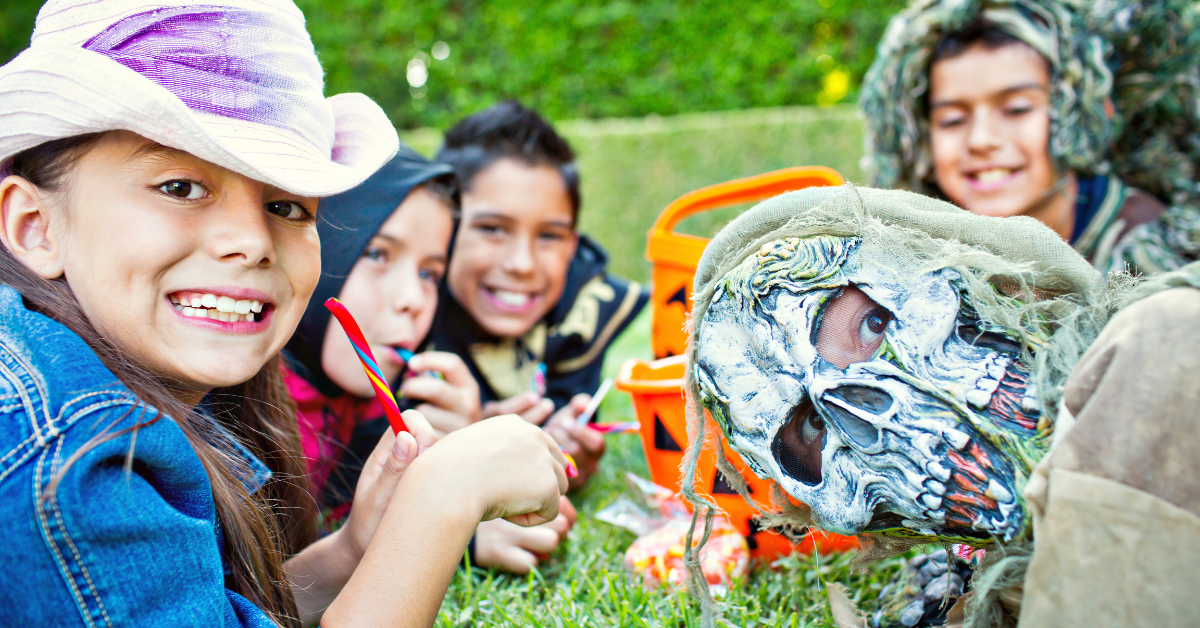
You see, cavities are formed by acid-forming bacteria in the mouth that feast on the carbohydrates in our diet.
Sugar is a part of it, yes, but things like crackers, chips, cookies and soft drinks are also very high in carbohydrates. It’s not just from sugar! It’s those other things, throughout the year, that can take a toll on the teeth. It depends on how long that sugar is in your mouth. The longer sugar is in our mouths, the more acid will be produced.
Here’s how taking specific actions can prevent tooth decay from hijacking your family’s oral health:
1. Make a Halloween Candy Plan
The best thing you can do to avoid going overboard with Halloween candy is to prepare ahead of time. Have a talk with your child about what the plan will be after the bucket is brimming with candy. You can set a limit on the number of houses that your child visits, have your child fill a smaller bag, or have them choose to parcel the candy or trade it for sugar-free options. Regardless of what you decide, the most important part is to establish the rules beforehand.
That discussion can also be a great opportunity to talk about the importance of limiting the consumption of sweets and how to make healthy choices for one’s body and teeth.

2. Brush Away the Treats
Help your children clean their teeth! Chocolate and some other candies can be particularly sticky. They’re going to cause cavities just a bit more easily because they’re sticky and hard to get off the teeth.
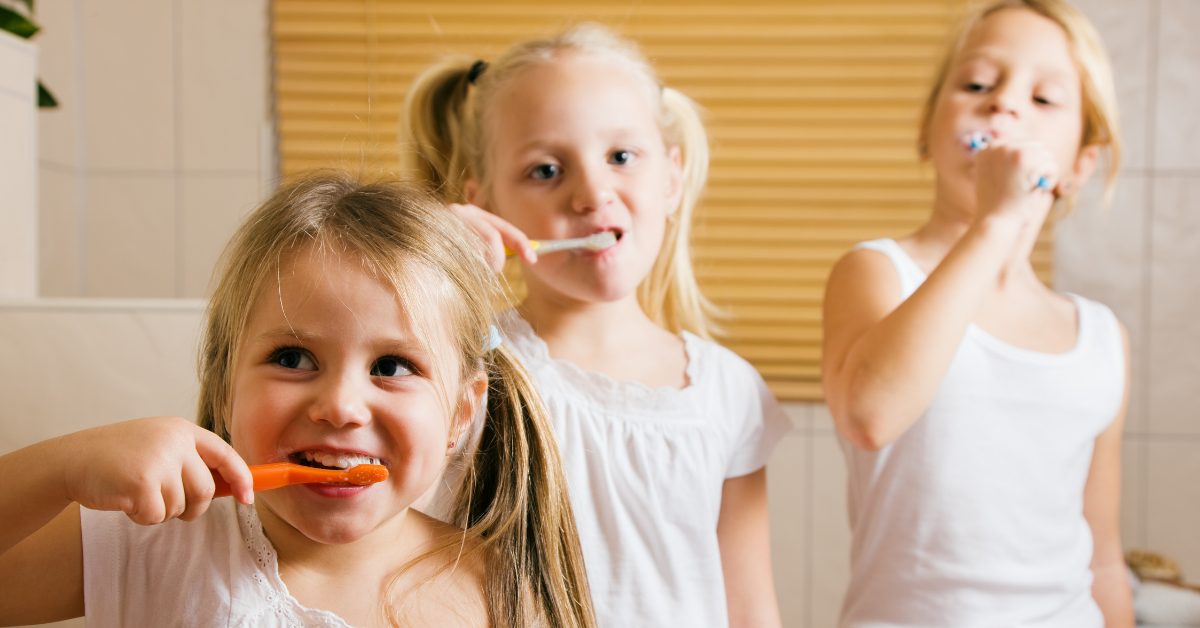
It is essential to brush properly to prevent tooth decay, and it is an important time to remind your child of proper brushing techniques. Younger children will need your help to brush and floss thoroughly.
A brand-new toothbrush is always a fun way to get your child excited about brushing. Be sure to drop one in your child’s Halloween treat bucket, along with some floss, before they head out for the night.
3. Timing is everything
Give the Halloween candy to your children as an after-meal treat, and prevent them from grazing from their stash of candy in between meals.
Each time we eat, carbohydrates in our food get broken down into sugar, and the bacteria create a little acid from it, which damages our teeth.
So, it’s not about how much sugar you eat, it’s about how often you consume it. You can let your kid eat two or three pieces of candy in one sitting. The child who will eat it [slowly] all day long is going to be more likely to have a problem. A piece of chocolate is better than some hard sugar candy that they’re going to be sucking on for 10 minutes.
Also, avoid giving the candy at night and then go to bed without brushing and flossing. That’s going to increase your risk because we don’t produce as much saliva when we’re sleeping.
4. Avoid the worst offenders
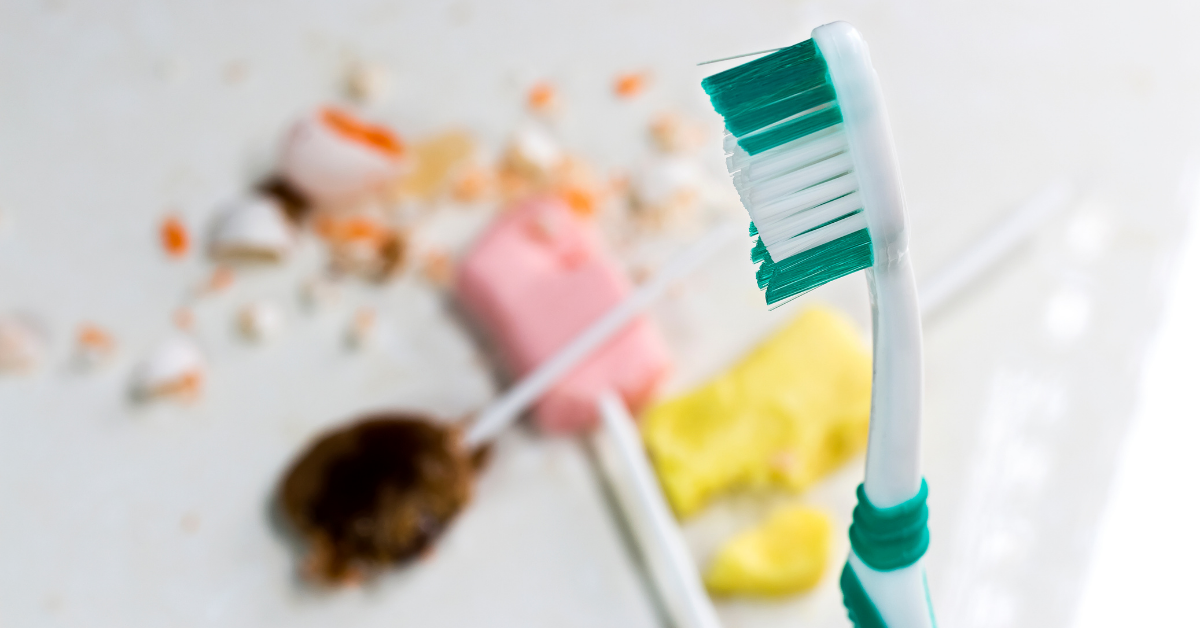
Toffee tops the list for pulling gear out of a kid’s mouth, whether it’s parts of braces or dental fillings. Lollipops are also on the top list of teeth health offenders because children suck on them for long periods of time. What you can do is to replace those for sugar-free ones or have them eat a piece of cheese afterward, since it can help neutralize the acidity levels in the mouth.

The content on this blog is not intended to be a substitute for professional medical advice, diagnosis, or treatment. Always seek the advice of qualified health providers with questions you may have regarding medical conditions.

PDG Pediatric Dentistry & Orthodontics provides pediatric dental services for infants, children, and adolescents as well as orthodontic services for children, teenagers, and adults across Metro Vancouver. Their doctors are specially trained to allow them to manage children’s fears and apprehensions in a positive manner. They are also specially trained to provide dentistry under mild conscious sedation and general anesthesia, which is recommended for certain circumstances, to lessen the mental and/or physical pain of a procedure.